Bali, the Island of Gods, is renowned for its rich cultural heritage, vibrant traditions, and captivating performances. Among its most iconic and spiritually significant dances is the Barong Dance, a mesmerizing theatrical performance that depicts the eternal battle between good and evil. This dance is not just a form of entertainment but a sacred ritual deeply embedded in Balinese Hindu beliefs.
The island of Bali, with its stunning landscapes and rich traditions, draws millions of tourists each year. Among its many cultural offerings, the barong dance stands out not only for its artistic value but also for its deep-rooted cultural significance. This performance serves as a bridge between the spiritual and the material, showcasing how art can convey profound messages about life, death, and the balance of forces around us.
The barong dance is an essential part of Balinese identity, representing the island’s unique blend of Hinduism and local beliefs. It is often performed during religious ceremonies and festivals, reflecting the community’s devotion and the importance of spiritual harmony. Furthermore, the dance serves as an educational tool, teaching younger generations about their heritage and the significance of their customs.
The narrative of the barong dance is rich with symbolism, not just limited to the characters of Barong and Rangda. Each element in the performance—be it the costumes, the music, or the choreography—has a story to tell. For example, the intricate designs of Barong’s costume symbolize purity and protection, while Rangda’s fearsome appearance underscores the darker aspects of life that must be acknowledged and confronted.
Another layer to the barong dance is the communal aspect. It involves not just the performers but also the audience, who are often encouraged to participate, adding to the sense of unity and shared experience. This interactive dimension transforms the performance from a mere spectacle into a vibrant tapestry of community life, where stories are shared, and collective memories are forged.
Furthermore, the role of Barong as a protector extends beyond the narrative of the dance. In many Balinese communities, Barong is invoked in various ceremonies to ward off evil spirits and bring blessings. This dual role—both as a character in a story and as a spiritual protector—highlights the seamless integration of performance art and spirituality in Balinese culture.
The Story Behind Barong Dance
The Barong Dance portrays the age-old struggle between Barong, a mythical lion-like creature representing goodness, and Rangda, a fearsome witch symbolizing darkness and chaos. The story originates from Balinese folklore, particularly from the legend of Calon Arang, a powerful widow with supernatural abilities who spreads black magic across the land.
As the protector of Bali, Barong leads an army of warriors to confront Rangda. Despite Barong’s strength, Rangda casts a powerful spell, causing the warriors to stab themselves with their own keris (daggers). However, Barong uses his magic to protect them, ensuring that no harm befalls his devotees. The dance ends in a spiritual balance, reflecting the Hindu philosophy of Rwa Bhineda, which acknowledges the coexistence of good and evil in the universe.
The blend of drama and spirituality in the barong dance makes it a unique experience. For instance, the use of gamelan music is not merely a backdrop; it is an integral part of the performance that sets the emotional tone and enhances the storytelling. The rhythmic beats and melodic strains resonate with the audience, drawing them into the narrative and inviting them to feel the emotions of the characters.
The Role of Barong and Rangda
Additionally, the trance rituals performed by the warriors are a fascinating aspect of the barong dance. These rituals can serve various purposes, such as healing or spiritual cleansing, and they connect the performers with the ancestral spirits. Observing these moments can be a profound experience, showcasing the deep spiritual beliefs held by the performers and the community.
- Barong: This mythical creature is often depicted as a lion with elaborate golden ornaments, large expressive eyes, and a thick mane. Barong is considered a benevolent spirit, guiding and protecting people from malevolent forces. The Barong costume is usually operated by two dancers, similar to a Chinese lion dance.
- Rangda: A terrifying witch with long, disheveled hair, sharp fangs, and protruding tongue, Rangda embodies evil and destruction. She is often portrayed casting spells and leading her demonic followers into battle. Despite her menacing nature, Rangda is an essential figure in the dance, as she represents the challenges that must be overcome in life.
The Performance: A Blend of Drama and Spirituality

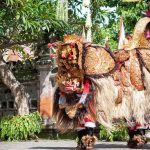
The Barong Dance is not just a visual spectacle but also a deeply spiritual experience. Accompanied by the hypnotic rhythms of gamelan music, the performance includes dramatic expressions, intricate movements, and moments of trance. Some of the key elements of the dance include:
For those interested in experiencing the barong dance, it is advisable to research the specific performances available and their cultural significance. Each venue may have its unique style, with different interpretations of the story and variations in choreography. Engaging with local guides can enhance your understanding and appreciation of the nuances of the performance, making your visit even more enriching.
- Gamelan Orchestra: The rhythmic and dynamic sounds of Balinese gamelan set the tone for the performance, creating an immersive atmosphere.
- Trance Rituals: Many of the performers, particularly the warriors, enter a trance-like state, believed to be induced by the power of Barong. This sacred aspect adds an air of authenticity to the performance.
- Symbolic Costumes and Masks: The elaborate masks and costumes worn by the dancers are considered sacred and are often blessed before the performance.
Where to Watch Barong Dance in Bali
If you’re visiting Bali, you can witness this magnificent dance at various cultural sites, including:
- Batubulan Village: One of the most famous places to watch the Barong Dance, with daily performances held in traditional settings.
- Ubud Palace: A popular cultural hub where traditional performances, including the Barong Dance, take place regularly.
- Gianyar and Denpasar: Several temples and cultural centers in these areas also host the dance as part of religious ceremonies.
Conclusion
The Barong Dance is more than just a performance—it is a living tradition that embodies Bali’s spiritual and cultural essence. Whether you are drawn to its dramatic storytelling, enchanting music, or deep philosophical meaning, experiencing the Barong Dance is a must when visiting Bali. It serves as a reminder of the eternal balance between light and darkness, a concept that resonates beyond the stage and into daily life.
Ultimately, attending a barong dance performance is not just about watching a show; it is about immersing oneself in a living cultural tradition that transcends generations. Visitors should take the time to reflect on the themes presented in the dance and consider how they relate to their own lives, fostering a deeper connection to the cultural landscape of Bali.